Our Mission
To support a sense of community and the economic vitality of our area by helping to create permanently affordable workforce housing for full-time residents.
NeahCasa
Who Are We?
NeahCasa is incorporated as a non-profit 501c3 Community Land Trust (CLT) aka Housing Trust. We own no land and have so far built no houses, but are available as a creative mechanism to provide workforce housing in our region.
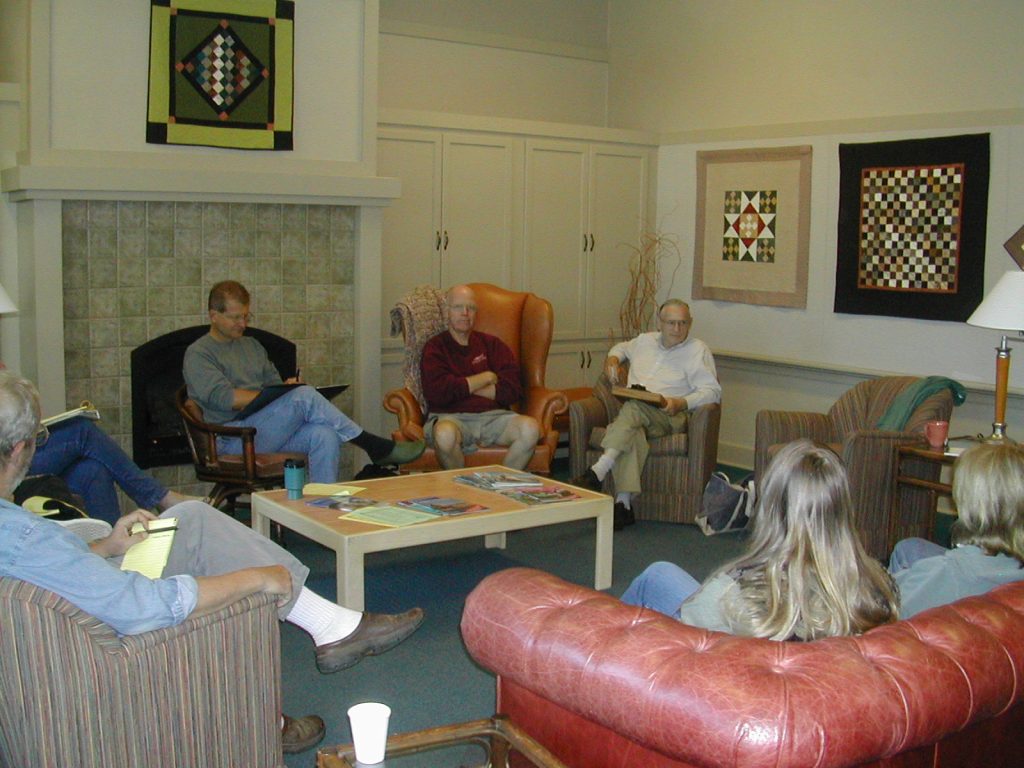
From 2005-2011 NeahCasa functioned as a housing advocacy group mostly in Tillamook County. Over the years of its active phase, it was able to move the conversation forward with city and county officials and came up with various housing solutions that included designs, philosophical ways of looking at the issues, and public policy, such as finally allowing Accessory Dwelling Units (ADUs) aka “granny flats”.
Revived in Spring 2021. There is a new level of crisis in housing for our workforce at all income levels, including professional, due to increased short term rentals that replace long-term options, as well as other economic forces. The Tillamook County Housing Commission has been active for several years now and, among other things, has created a funding stream from those short term rental owners. The search is on for other creative, community-based solutions. Their Outreach Committee has been producing excellent articles highlighting the problems over all with very personal stories. Chapter 8 ( February 2022) is especially good about the economic hardships and near desperation of local small businesses due to housing shortages.
Thus it felt right to revive NeahCasa so the LAND TRUST OPTION would be available throughout Oregon’s North Coast region. As of Spring 2021, we have a new board and new energy. Still in the fact finding, networking phase, we are available as a potential resource.
Never doubt that a small group of thoughtful committed citizens can change the world. Indeed, it is the only thing that ever has.
Margaret Mead
Community Land Trusts (CLTs)
CLTs create permanently affordable home ownership because the trust owns the land in perpetuity and folks own their own houses on top of that, thus cutting the cost for the potential homeowner. Resale restrictions keep the prices affordable in perpetuity.
CLTs can also create affordable rental housing by themselves owning the dwelling as well as the land.
Housing trusts have been successful in many parts of the Pacific Northwest.
NeahCasa incorporated as a CLT in 2008.